Blog

  • Log Splitter Troubleshooting (Start Here)

    We hope you love the products we recommend and just so you know that as an Amazon Associate MyLogSplitter may earn from qualifying purchases.

    Log splitter troubleshooting (start here)

    If your log splitter wont start, wont split, or is acting up, this hub will point you to the most common fixes, in the order that saves time and avoids unnecessary part swaps.

    Most common problems (click through)

    Quick diagnostic order (use this on almost any gas splitter)

    1. Fresh fuel + fuel valve: old fuel causes more no-starts than people expect.
    2. Switches/choke/throttle: confirm the basics (and reset if youre unsure).
    3. Oil level: low-oil shutdown is common.
    4. Spark plug: quick to inspect and cheap to replace.
    5. Air filter: clogged filters cause hard starting and stalling.
    6. Carburetor: if it sat with fuel, varnish is a usual culprit.

    DIY warning (if youre building or modifying equipment)

    If youre considering a DIY splitter build, start with the safety-first guides here:

    What I need to help you fast

    • Brand + model (or a link to the exact listing)
    • Gas engine model (if known)
    • Symptom: wont start, starts then dies, slow ram, weak splitting, leaks, etc.
    • How long it sat, and whether fuel was left in it

    If you send those details, we can usually narrow it down quickly and avoid chasing the wrong fix.

  • Fast Log Splitter: Top Picks and Expert Advice for 2023

    Fast Log Splitter: Top Picks and Expert Advice for 2023

    We hope you love the products we recommend and just so you know that as an Amazon Associate MyLogSplitter may earn from qualifying purchases.

    Quick verdict

    If your priority is speed, shop by cycle time (extend + retract), then confirm the splitter has enough force for the wood you actually split. For most people splitting a real pile of firewood, a good 25-ton class gas hydraulic splitter with an 1115 second cycle time is a practical sweet spot.

    What makes a log splitter “fast”?

    • Cycle time is the headline metric. Faster cycle times move more wood per hour.
    • Two-stage pumps are common on hydraulic splitters (fast movement under low load, then power when the wedge bites).
    • Workflow features (log tables/catchers, auto-return, good ergonomics) matter almost as much as pure cycle time.

    Fast log splitter comparison (examples)

    These are examples people commonly compare. Specs and availability change by model/year, so confirm current details on the product listing before buying.

    Model Why people consider it What to double-check Link
    Landworks 20-ton (varies by listing) Compact, often marketed with short cycle times Real cycle time, log length capacity, parts/support Check price
    Champion 25-ton (common model family) Popular value pick, often around ~11s cycle time Exact models cycle time + horizontal/vertical setup Check price
    Powerhorse 22-ton Often compared for value and capability Cycle time (not always listed), warranty/support Check price
    SuperHandy 25-ton Portable-style gas splitter option Cycle time, log length capacity, ease of moving it Check price

    Buying guide (what to check before you buy)

    1) Cycle time (your #1 speed lever)

    Cycle time is the total time for the ram to extend, split, and retract. Faster cycle times matter most when you are doing volume.

    2) Tonnage (match it to your wood)

    More tonnage helps with big, knotty, or stringy hardwood. But you do not get “fast” just by buying max tonnage. For many homeowners, a well-designed 25-ton class splitter is plenty.

    3) Horizontal vs vertical

    If you split heavy rounds, vertical capability can save your back (less lifting). That can make you effectively “faster” even if the cycle time is the same.

    4) Ergonomics and workflow

    Log catchers/tables, auto-return, and a comfortable working height often beat tiny cycle-time differences in real-world throughput.

    FAQ

    How fast can a log splitter go?

    It depends on the design. Many common consumer hydraulic splitters are around the low-teens in seconds for cycle time. Some specialty designs can be faster, but always weigh speed against safety and control.

    Bottom line

    To buy a truly fast splitter, shop by cycle time and workflow features first, then confirm the machine has enough force for your wood. If you want the short list of “best overall” picks, start with our comprehensive guide.

  • How to Sharpen an Axe – How to achieve a Razor Sharp Axe

    How to Sharpen an Axe – How to achieve a Razor Sharp Axe

    Hey there, this is Jim ‘The Lumberjack’.

    I’m here to teach you how to sharpen an axe, a key skill that’ll make your outdoor work a lot more efficient.

    No need to wrestle with a dull edge when a bit of elbow grease and know-how can have your axe cutting clean and true. It’s all about taking your time, using the right tools, and following the grain of good sense – just like splitting a seasoned log.

    So roll up your sleeves, folks, and let’s get to it—because there’s nothing quite like the feel of a well-sharpened axe in your hands.

    How to sharpen an axe - A quick Guide to results

    Common Mistakes in Axe Sharpening: What to Avoid

    As with anything, how to sharpen an axe can have its pitfalls. Here are a few you’d do well to avoid:

    • Sharpening your axe when it’s not needed: An axe isn’t like a razor; it doesn’t need to be hair-splitting sharp. Over-sharpening can actually weaken the edge and increase the need for more frequent maintenance.
    • Ignoring the angle: The bevel angle is crucial when sharpening an axe. Too steep, and you’ll end up with a durable but dull edge. Too shallow, and you’ll get a sharp but fragile edge that chips easily.

    Rushing the Process: Why Patience is a Virtue in Axe Sharpening

    Don’t rush when you’re sharpening an axe. You’re not just honing metal; you’re crafting an edge. The process takes time, and each step needs to be done carefully and precisely. The end result is worth the extra attention to detail.

    How to Sharpen an Axe or Hatchet

    Wrong Tool, Wrong Time: Choosing the Correct Sharpening Tool

    Image Description: A diagram showing the main points on an axe.
Creator: RainbowRed
Source: Wikipedia
License: Free Art License

    One of the biggest mistakes in how to sharpen an axe is using the wrong tool at the wrong time. Here’s a basic guide:

    • Filing: This is for when your axe edge is significantly dull or has nicks. A file removes more material and can quickly reshape the edge.
    • Sharpening stone: Once your edge is shaped, the stone refines it, removing the scratches left by the file and honing a sharper edge.
    • Strop: This is the final touch. It aligns any leftover microscopic burrs, giving your axe that razor-sharp edge.

    Over-sharpening: A Surprising Mistake

    The goal of axe sharpening isn’t to get the sharpest edge possible; it’s to get the sharpest edge that will last. Over-sharpening can lead to an edge that’s razor sharp but brittle and more prone to chipping or rolling.

    Maintaining Your Axe’s Edge: Post-Sharpening Care

    Just as important as the sharpening process is taking care of the axe afterwards. Here are some tips to help your axe stay sharp longer:

    • Clean your axe after use: Simple, but crucial. Dirt and moisture are the enemies of your axe edge.
    • Oil the axe head: This prevents rust and keeps your axe in top condition.
    • Store your axe properly: Keep it somewhere dry, and cover the edge to protect it.

    Proper Cleaning: Protecting Your Axe after Sharpening

    After you’ve spent all that time sharpening, don’t let your hard work go to waste. Cleaning off any leftover metal filings and applying a light coating of oil protects your axe from rust and helps maintain the edge.

    Storing Your Axe: Where and How to Keep Your Axe

    Your axe isn’t a toy and shouldn’t be left lying around.

    An axe rack or magnetic tool bar is a good option for storing your axe. This keeps the axe edge from coming into contact with anything that might dull it.

    Expert Tips: Elevate Your Axe Sharpening Skills

    By now, you’re probably starting to feel like a bit of an expert yourself, but here’s a couple more tips on how to sharpen an axe to really up your game:

    • Always maintain control: Keep your sharpening tools and the axe steady when sharpening. Any slipping can result in an inconsistent edge or even an injury.
    • Don’t forget the handle: While the axe head gets all the attention, a good handle is just as important for effective axe use.
    how to sharpen an axe and maintain it so that it stays sharp

    Sharpening Angles: Finding the Sweet Spot

    Every axe and usage has its ideal sharpening angle, and finding this is more of an art than a science. A general guideline is 25-30 degrees for a chopping axe, and 20-25 degrees for a carving or splitting axe. Remember, the steeper the angle, the more durable but less sharp the edge will be.

    Reading the Burr: Advanced Axe Sharpening Tips

    After using your sharpening stone, run your fingers carefully along the edge of the axe. You should be able to feel a slight burr or lip of metal. This indicates that the edge is fully sharpened. Once you feel this burr along the entire edge, it’s time to stop sharpening and start honing.

    Regular Maintenance: Keeping Your Axe Sharp

    Regular maintenance is the key to keeping your axe sharp and ready for action. Don’t wait for your axe to become dull before you decide to sharpen it.

    A quick touch up after each use can make a big difference and prolong the periods between full sharpening sessions.

    The Journey to Axe Sharpening Mastery

    Sharpening an axe is as much about the journey as the destination. As you spend time with your axe, getting to know its quirks and temperaments, you’ll find yourself becoming more in tune with it. It becomes not just a tool, but an extension of yourself. So, remember, keep your axe sharp and it’ll never let you down. And whenever you hear the question, “how to sharpen an axe,” you’ll always have a story to tell.

  • Troubleshooting: Why Won’t My Log Splitter Engine Start?

    Troubleshooting: Why Won’t My Log Splitter Engine Start?

    We hope you love the products we recommend and just so you know that as an Amazon Associate MyLogSplitter may earn from qualifying purchases.

    Quick checklist (try this in order)

    1. Fuel: is there fresh gas in the tank (not months old), and is the fuel valve ON (if equipped)?
    2. Switches: engine switch ON, choke set correctly for cold start, throttle in the START/RUN position.
    3. Oil level: many small engines have a low-oil shutdown. Verify oil is at the safe level.
    4. Spark: pull and inspect the spark plug (wet/fouled/cracked). Replace if in doubt.
    5. Air: check the air filter. A clogged filter can prevent starting or cause stalling.
    6. Carburetor: if it ran fine then sat, gummed-up carb jets are a common culprit.

    Troubleshooting tips (most common causes)

    Log splitter troubleshooting

    1) Fuel problems (empty tank, stale fuel, or water in fuel)

    • If the tank is empty, add fresh fuel.
    • If the fuel is old, drain it and refill with fresh fuel. Old fuel is one of the most common no-start causes after storage.
    • Confirm the fuel shutoff valve is open (if your splitter has one).

    2) Spark plug (fouled or damaged)

    Remove the spark plug and inspect it. If its black/sooty, wet with fuel, cracked, or the electrode looks worn, replace it with the correct plug for your engine.

    3) Air filter (dirty/clogged)

    Check the air filter. Clean or replace it if its dirty. Restricted airflow can cause hard starting and stalling.

    4) Carburetor gunk (common after sitting)

    If the engine sat with fuel in it, varnish can block the carburetor jets. A carb clean/rebuild is often the fix. If youre not comfortable doing this, a small engine shop can usually turn it around quickly.

    5) Low-oil shutdown

    Some engines will not start (or will start and die) if the oil level is low. Verify oil is at the correct level on the dipstick.

    If it starts, but dies (quick checks)

    • Choke: after it fires, gradually move choke toward RUN as the engine warms up.
    • Vent: if the gas cap vent is clogged, it can starve fuel. Try loosening the cap briefly (only if safe) to test.
    • Carb: the same carb varnish issues often show up as starts then dies.

    When to stop and get help

    If you smell gas heavily, see fuel leaks, or suspect electrical damage, stop and get it inspected. Safety first.

    Conclusion

    Most no-start issues come down to fuel quality, spark plug condition, airflow, or a gummed-up carburetor. Work through the checklist in order and youll usually find the culprit quickly.

  • How to Use an Axe. A No Nonsense Guide to NOT Bleeding Out.

    How to Use an Axe. A No Nonsense Guide to NOT Bleeding Out.

    We hope you love the products we recommend and just so you know that as an Amazon Associate MyLogSplitter may earn from qualifying purchases.

    Quick answer (dont get hurt)

    • Wear eye protection, sturdy boots, and gloves.
    • Work on a stable chopping block, with a clear swing radius (no people, pets, or clutter).
    • Use the right tool: hatchet for kindling, axe for chopping, maul for splitting rounds.
    • Keep the blade sharp (a dull axe is more dangerous because it glances off wood).

    Splitting wood regularly? See: How to split wood by hand or skip the swing and start with best log splitters (guide).

    Choose the right axe for the job

    • Hatchet: small wood, kindling, light camp chores.
    • Felling axe: chopping across grain, limbing, and tree work (advanced and risky).
    • Splitting axe/maul: splitting rounds with the grain (mauls are heavier and more forgiving).

    Set up a safe work area

    • Use a solid block or stump, on level ground.
    • Keep the swing area clear in every direction.
    • Make sure the wood is stable (no rocking rounds).

    Grip and stance basics

    • Feet about shoulder width apart, knees slightly bent.
    • For power swings, one hand near the end of the handle, the other closer to the head to guide. Hands slide together during the swing.
    • Do not swing wildly behind your head. Controlled, repeatable swings are safer and more accurate.

    Common problems (and what to do)

    Glancing blows

    Usually caused by poor aim or a dull edge. Stop, reset your stance, and sharpen if needed.

    Axe stuck in the wood

    Do not yank violently. Keep stable footing and pull straight. If needed, lift the wood and tap it on the block to free the head safely.

    Care and storage

    • Wipe down after use, especially if you hit wet/dirty wood.
    • Keep the edge touched up, and use a sheath to protect the bit.
    • Store dry to prevent rust and handle damage.

    Bottom line

    An axe is simple, but not forgiving. If you keep the edge sharp, the work area clear, and your swings controlled, youll get better results with less risk.

  • Which Stihl Chainsaw is Best For Me? An In-Depth Guide

    Which Stihl Chainsaw is Best For Me? An In-Depth Guide

    Finding the answer to the question, “Which Stihl chainsaw is the best for me?” is a journey that requires careful thought and evaluation. The Stihl brand stands tall in the market for its consistent delivery of high-quality, resilient, and multipurpose chainsaws.

    Given the vast range of options, the selection process might seem daunting, but this comprehensive guide will steer you toward the ideal Stihl chainsaw that aligns with your needs and preferences.

    Recognizing Your Chainsaw Usage Needs – Which Stihl Chainsaw is Best For Me?

    Identifying Your Chainsaw Requirements: Home Use Vs. Professional Applications

    The first step toward answering “Which Stihl chainsaw is best for me?” lies in identifying your specific requirements. The frequency and type of usage determine the kind of chainsaw that best suits your needs, whether you’re a homeowner engaging in occasional DIY projects or a professional lumberjack managing significant forestry tasks.

    Which Stihl Chainsaw is Best For Me? - So many Stihl options

    For example, if you’re a farmer handling vast land and regularly felling trees and chopping firewood, your needs may warrant more than one chainsaw with varying capacities. Conversely, if your use is limited to periodic pruning and trimming tasks in your backyard, a compact, lightweight model will suffice.

    Comparison Table of Different Stihl Chainsaw Models

    ModelEngine Power (KW)Recommended Guide Bar Length (inch/cm)Weight (kg)Ideal For
    MS-1701.2 KW12″-16″/30-40cm4.1 kgLight garden work, pruning, trimming
    MS-1801.4 KW12″-16″/30-40cm4.2 kgSmall to medium tree cutting, firewood preparation
    MS-2613.0 KW16″-20″/40-50cm4.9 kgMedium to large tree cutting, firewood cutting
    MS-6615.4 KW20″-28″/50-70cm7.4 kgLarge tree cutting, professional forestry work

    Key Specifications in Stihl Chainsaw Selection

    Significance of Power, Bar Length, and Weight

    To make an informed Stihl chainsaw choice, it’s crucial to understand key chainsaw specifications, such as:

    • power
    • bar length
    • weight

    Chainsaws with high power and longer guide bars are designed for larger, more intensive tasks, while smaller, lightweight models are well-suited for small to medium tasks and tend to be easier to handle and maneuver.

    Stihl’s Advanced Chainsaw Technologies Across Models

    Stihl’s reputation in the chainsaw market extends beyond powerful engines and exceptional cutting capacity. The company’s commitment to revolutionizing chainsaw technology is evident in the range of advanced features they’ve incorporated into various models. Here’s a closer look at the distinct technologies available and the models that feature them:

    ErgoStart (E):

    The ErgoStart system, often indicated with an ‘E’ in the model name, is designed to make starting Stihl chainsaws practically effortless. This technology reduces the strain on the user’s body and ensures smooth, jerk-free startups.

    Some Stihl chainsaw models equipped with the ErgoStart system include:

    • MS 180 C-BE – This model is a homeowner favorite, offering ErgoStart alongside its 1.4 KW power engine and 16″ guide bar, perfect for cutting firewood and handling light to medium tree cutting tasks.
    • MS 251 C-BE – This model is an excellent choice for heavier homeowner use or light professional use, boasting a 2.2 KW engine power, a guide bar length recommendation of 16″-18″, and the ErgoStart system for easy handling.
    • MS 362 C-M – A professional-class chainsaw with M-Tronic engine management and ErgoStart. This model has a 3.5 KW engine power and can handle a guide bar length of up to 25″.

    Quick Chain Tensioning (B):

    Quick Chain Tensioning, often indicated with a ‘B’ in the model name, is an innovative feature that enables quick and easy tensioning of the chainsaw’s chain. This feature eliminates the need for tools when adjusting the chain tension, thereby enhancing convenience and user safety.

    Chainsaws equipped with Quick Chain Tensioning include:

    • MS 171 C-BE – This model is suitable for lighter tasks around the house, like pruning and trimming. It’s equipped with a 1.3 KW engine and is recommended for a 14″-16″ guide bar length.
    • MS 211 C-BE – This mid-range model comes with a 2.3 KW engine and a recommended guide bar length of 16″-18″. It’s a practical choice for homeowners needing a bit more power for medium tree cutting or firewood preparation.
    • MS 250 C-BE – This powerful chainsaw comes with a 2.3 KW engine, ideal for tasks that require a bit more grunt, such as larger tree felling and firewood cutting. It can accommodate a guide bar length of up to 18″.

    It’s worth noting that many Stihl chainsaw models often feature both technologies, as indicated by ‘C-BE’ in the model name. This combination of advanced features enhances user experience by offering an easy-to-start and simple-to-maintain chainsaw.

    Making Your Stihl Chainsaw Choice

    Optimal Recommendations for Varied User Needs

    The best Stihl chainsaw for you hinges largely on your specific requirements and expectations. If you prioritize ease of use and mobility without the concerns of fuel storage, a battery-powered Stihl chainsaw would be an excellent choice. However, if you need to undertake demanding tasks that necessitate continuous power, a petrol-driven chainsaw would be more appropriate.

    Caring for Your Stihl Chainsaw

    Essential Chainsaw Maintenance Practices

    Investing in a Stihl chainsaw is only the first step in ensuring seamless, efficient work. The durability and long-term performance of your tool heavily depend on how you take care of it. Even the finest chainsaw needs regular upkeep to maintain its functionality.

    Regular Inspection and Cleaning

    The first and foremost step to keeping your Stihl chainsaw in tip-top condition is regular inspection and cleaning. Ensure that there’s no dust, dirt, or debris lodged in the chainsaw components, as this can result in reduced performance and premature wear. Make it a routine to clean your chainsaw after every use. Remember to disconnect the chainsaw from its power source before starting any cleaning process to avoid accidental startup.

    Chain Sharpening

    A chainsaw is only as good as its cutting edge, making chain sharpening a critical aspect of chainsaw maintenance. Dull chains not only make your work harder but also put unnecessary strain on the chainsaw engine, leading to faster wear and tear. It’s advisable to sharpen the chains regularly, based on the frequency of use and the type of material you’re cutting. Stihl offers a range of filing tools and guides to help you maintain the sharpness of your chainsaw blades.

    Guide Bar Oiling

    The guide bar on your chainsaw needs regular oiling to reduce friction between the chain and the bar, allowing smoother operation. Stihl chainsaws are equipped with automatic oiling systems, but it’s essential to check and refill the oil reservoir as needed. Use high-quality bar and chain oil for optimum performance and longevity.

    Air Filter Maintenance

    Your chainsaw’s air filter plays a critical role in keeping the engine clean by preventing dust, dirt, and other particles from entering it. A dirty or clogged air filter can lead to poor engine performance and increased fuel consumption. Stihl chainsaws feature easily accessible air filters, making cleaning or replacement a straightforward process. Regularly inspect and clean the air filter, especially if you’re working in dusty environments.

    Fuel and Oil Mixture

    If you’re using a gasoline-powered Stihl chainsaw, it’s crucial to use the correct fuel-to-oil ratio as recommended by Stihl. An incorrect mixture can lead to engine damage or inefficient operation. Always use fresh fuel and high-quality two-stroke engine oil.

    Regular Servicing

    In addition to these user-maintainable aspects, your Stihl chainsaw will benefit from regular professional servicing. Stihl dealers and service centres are equipped to perform detailed inspections, replace worn parts, and conduct fine-tuned adjustments to ensure your chainsaw continues to perform at its peak.

    Overall, maintaining your Stihl chainsaw involves a combination of daily checks, periodic user maintenance, and professional servicing. Proper care and attention not only extend your chainsaw’s lifespan but also ensure safer operation and superior performance.

    Final Thoughts

    In conclusion, the diversity of Stihl chainsaw models offers something for everyone, from casual backyard gardeners to professional foresters. Recognizing your chainsaw needs and understanding the different chainsaw specifications will empower you to select the ideal Stihl chainsaw model. Hopefully we have helped you today to work out which Stihl chainsaw is best for me?

  • Using a Log Splitter Vs Splitting by Hand: How to Split Wood Efficiently!

    Using a Log Splitter Vs Splitting by Hand: How to Split Wood Efficiently!

    As the golden hour paints the sky and you’re lookin’ at a heap of logs needing splitting, a thought might cross your mind – should you be using a log splitter vs splitting by hand?

    Well now, it’s not a one-size-fits-all answer, I’m afraid. Depends on a whole host of things.

    Let’s dive deeper into this, comparing the ins and outs of using a log splitter versus hand splitting.

    Why It Matters

    Splitting logs is essential for creating usable firewood, be it for your fireplace, campfire, or BBQ. The two primary ways of splitting logs are using a log splitter or doing it manually. Each method has its pros and cons – but there is no secret to splitting logs.

    Log Splitting Methods

    The Log Splitter

    using a log splitter vs splitting by hand? - This guy prefers his log splitter!

    A log splitter is a machine that uses electricity or gas to split logs. Log splitters can be manual, requiring physical force to operate, or hydraulic, which do the heavy lifting for you.

    Hand Splitting

    Hand splitting is the traditional method of splitting logs. It requires an axe or a maul and some muscle power. It can be physically demanding but also rewarding.

    Comparing Log Splitter and Hand Splitting

    Here’s a handy table that compares log splitters and hand splitting:

    Log SplitterHand Splitting
    EfficiencyHighLow
    Physical EffortLowHigh
    Initial CostHighLow
    Maintenance CostHighLow
    SafetyHigh (if used correctly)Medium (depends on technique)
    Environmental ImpactMedium to High (depends on power source)Low

    Safety and Environmental Impact

    Both methods require safety precautions. Log splitters require proper operation and hand splitting requires good technique and protective gear.

    In terms of environmental impact, hand splitting is greener because it only uses human energy. Log splitters, particularly gas-powered ones, have a higher carbon footprint.

    Choosing the Right Method for Your Situation

    Whether you choose a log splitter or hand splitting depends on your situation.

    • Home Use: If you have a small amount of wood, hand splitting could work. For larger piles, a log splitter is more efficient.
    • Professional Use: In commercial settings, a log splitter is usually better due to its speed and efficiency.
    • Occasional Use: For occasional use, like camping trips, hand splitting with an axe or maul is often enough.

    Tips for Both Methods – using a log splitter vs splitting by hand?

    Whether you’re using a log splitter or hand splitting, there are ways to improve your efficiency. Regular maintenance of your log splitter and honing your hand splitting technique can make the process smoother and more effective.

    What is the most effective way to split wood?

    The most effective way to split wood largely depends on your individual needs and resources. If efficiency and time-saving are paramount, using a hydraulic log splitter is often the most effective. It leverages mechanical force to split logs, requiring less physical exertion. However, for occasional use, smaller quantities, or to enjoy the traditional art of wood splitting, manual splitting using a maul or an axe can be equally effective.

    Is a manual log splitter worth it?

    The worth of a manual log splitter is contingent upon your specific requirements. Manual log splitters, compared to hydraulic ones, are less expensive, require no fuel, and are more portable. They are a good choice for those who don’t frequently need to split large volumes of wood, who value the physical exercise, or who want a quieter, more eco-friendly option. But, if you regularly deal with substantial amounts of hardwood, the speed and efficiency of an hydraulic or gas-powered splitter may justify its cost.

    Is it hard to split wood by hand?

    Splitting wood by hand can indeed be a challenging task, especially for beginners. It requires physical strength, endurance, and proper technique to be done efficiently and safely. However, like any skill, the difficulty decreases with practice and improved technique. Furthermore, using the right tools – like a well-balanced splitting axe or maul – can significantly reduce the hardship of the task.

    What is the best way to split logs by hand?

    The best way to split logs by hand is by following proper technique and safety precautions. Here’s a simple guide:
    Select the right tool: A splitting axe or a maul is typically used for this task. These tools are designed with a wider edge to help split the wood fiber.
    Position the log: Place the log you want to split on a sturdy, flat surface. An old tree stump is often used.
    Aim for the edges: Rather than aiming for the center, aim for the edges of the log. Hitting at the edge often causes the log to split more easily.
    Use the right technique: Stand with your feet shoulder-width apart. Hold the handle of the tool with both hands – one near the top of the handle and the other at the bottom. Lift the tool over your head and bring it down in a swift, controlled motion.
    Safety first: Always wear safety glasses and sturdy boots. Be aware of your surroundings to ensure that people and pets are at a safe distance. Remember, like any physical skill, proficiency comes with practice. Start with smaller logs and work your way up as you gain confidence and skill.

    Final Thoughts

    Choosing between using a log splitter vs splitting by hand is all about assessing your needs. Both methods have their place, and both can be effective when used properly. As long as you prioritize safety and efficiency, you can’t go wrong.

    Further Reading and Resources

    Want to learn more about log splitting? There are plenty of resources online, including forums, instructional videos, and training courses. The world of log splitting is wide open for exploration.

    Enjoy the journey!

  • How Tight Should a Chainsaw Chain Be: Ensuring Safety and Performance

    How Tight Should a Chainsaw Chain Be: Ensuring Safety and Performance

    Why Proper Chainsaw Chain Tension is Crucial

    Understanding the importance of how tight a chainsaw chain should be is paramount for both safety and optimal performance.

    This guide dives into the significance of maintaining correct chainsaw chain tension and factors influencing it. We also provide you with step-by-step instructions to check and adjust chain tension, discuss ideal tension guidelines, and share helpful chainsaw maintenance tips.

    So, how tight should a chainsaw chain be? Lets dig in and find out…

    The Consequences of Incorrect Chainsaw Chain Tension

    Chainsaw chain tension is essential to prevent accidents, improve cutting efficiency, and prolong your chainsaw’s lifespan. Operating a chainsaw with a chain that is either too loose or too tight can result in serious issues, such as kickbacks, diminished cutting effectiveness, and increased wear on the chain and bar.

    Factors Affecting Chainsaw Chain Tension

    Understanding Chain Types and Designs

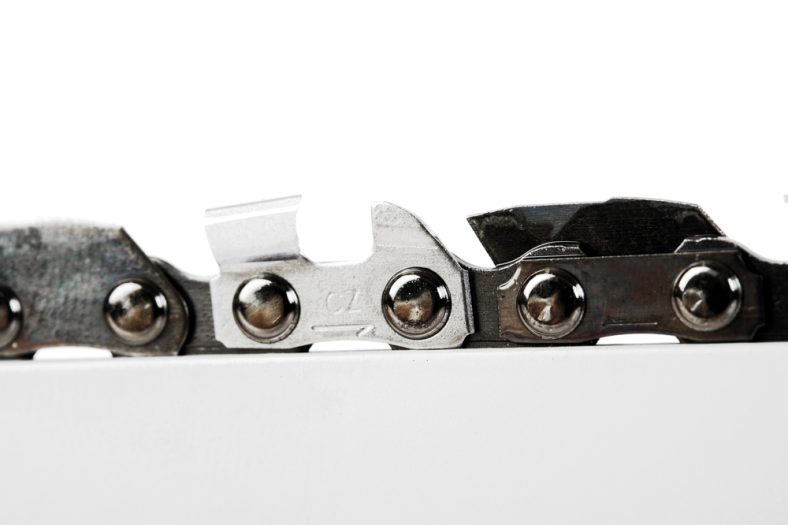
    Different chainsaw chains, including full-chisel, semi-chisel, and low-profile chains, may have unique tension requirements due to their design and tooth configuration. Comprehending your specific chain type characteristics is vital for determining the appropriate tension.

    Adhering to Chainsaw Model and Manufacturer Recommendations

    Every chainsaw model comes with chain tension specifications provided by the manufacturer. Following these guidelines is critical for maintaining optimal performance and safety.

    how tight should a chainsaw chain should be - Man tightens the chain of his chainsaw
    Lumberjack sharpening and tightening chain on his chainsaw

    How to Check and Adjust Chainsaw Chain Tension

    Safety First: Positioning the Chainsaw Correctly

    Always ensure the chainsaw is switched off and placed on a stable surface. Engage the chain brake to prevent accidental chain movement.

    Using a Tensioning Tool or Screwdriver

    Utilize a specialized tensioning tool or a flathead screwdriver to access the tensioning mechanism. Refer to your chainsaw’s user manual for the precise location of the tensioning mechanism.

    Testing Chain Tension with Manual Force

    Apply gentle pressure to the center of the chain, pulling it away from the guide bar. The chain should lift approximately 1/8 to 1/4 inch, allowing for smooth movement without excessive sag or tightness.

    Ideal Chainsaw Chain Tension: General Guidelines

    Optimal Tension for Safety and Performance

    The perfect chainsaw chain tension strikes a balance between being taut enough to prevent sagging and loose enough to allow smooth movement around the guide bar.

    Following Manufacturer Guidelines and Specifications

    Adhere to the chainsaw manufacturer’s recommendations for specific tension requirements of your chainsaw model.

    Below are links to some popular chainsaw manufacturers where you can find model-specific guidelines:

    Remember to refer to the user manual for your specific chainsaw model for the manufacturer’s specific tension requirements and other maintenance guidelines. If you’ve misplaced the physical copy, you can typically find digital versions on the manufacturer’s website.

    Tools and Techniques for Adjusting Chainsaw Chain Tension

    Visual Tension Indicators and Tension Gauge Tools

    Some chainsaws feature visual tension indicators or tension gauge tools that assist in determining if the chain is properly tensioned.

    Manual Chain Tensioning Techniques

    Proper techniques involve loosening the bar nuts and adjusting the chain tension screw incrementally, checking the tension after each adjustment until the desired tension is achieved.

    The Importance of Proper Chain Lubrication

    Bar and chain oil is essential for lubricating the chain, reducing friction, and preventing premature wear. Regular maintenance ensures smoother cutting performance and prolongs the lifespan of the chain.

    Common Chainsaw Chain Tensioning Mistakes to Avoid

    Navigating the chainsaw chain tensioning process can be tricky, especially for beginners. Here are some common mistakes to avoid and what to keep in mind:

    Over-Tightening the Chainsaw Chain

    • Over-tightening is a common error that can lead to several adverse effects. It can put undue strain on the chainsaw’s engine, guide bar, and the chain itself.
    • A chain that’s too tight may cause premature wear, leading to a shortened lifespan of the chainsaw’s components.
    • Over-tight chains can increase fuel consumption and possibly result in damage to the chainsaw’s components.
    • Excessive tension prevents the chain from rotating freely around the guide bar, impacting the chainsaw’s cutting efficiency.

    Under-Tightening the Chainsaw Chain

    • Operating a chainsaw with a chain that’s too loose is another common mistake that can lead to safety hazards.
    • Loose chains are prone to causing kickbacks, a dangerous situation where the chainsaw can lurch back at the operator.
    • Chains that are too loose may derail from the guide bar, creating a potential hazard.
    • Loose chains also result in inefficient cutting performance and can accelerate wear on both the chain and guide bar.

    Ignoring Manufacturer’s Recommendations

    • The chainsaw manufacturer provides specific guidelines and specifications regarding chain tension for each model. These recommendations are based on comprehensive testing and are designed to ensure optimal performance and safety.
    • Ignoring these guidelines can compromise both the safety and the efficiency of the chainsaw. Always follow the manufacturer’s instructions to maintain optimal performance.
    • Ensure you understand how to apply the manufacturer’s guidelines properly. Misinterpretation could lead to either under- or over-tightening the chain.
    • Keep in mind that not all chainsaws are the same. Different brands and models may have different tensioning requirements.

    Neglecting Regular Checks and Adjustments

    • Chainsaw chains can loosen over time and with use. Regular checks and adjustments are necessary to maintain the correct tension.
    • Ignoring regular tension checks can result in the chain becoming either too tight or too loose without the operator noticing, leading to the problems mentioned above.
    • Even minor adjustments can have a significant impact on chainsaw performance and safety. Always check the chain tension before and after using the chainsaw.

    Remember, the goal is to maintain the chain’s contact with the guide bar while still allowing it to move freely. This balance ensures the chainsaw operates safely and effectively.

    Troubleshooting Chainsaw Chain Tension Issues

    Understanding how to identify and troubleshoot chainsaw chain tension issues can be invaluable for maintaining your chainsaw’s performance and prolonging its lifespan. Here are some key areas to focus on:

    Identifying Signs of Improper Chain Tension

    Look out for these signs of incorrect chain tension during chainsaw operation:

    • Excessive chain sag: If you notice the chain sagging or hanging off the guide bar, it’s likely too loose and needs tightening.
    • Erratic cutting performance: Difficulty cutting through wood, or the chainsaw creating rough, uneven cuts can indicate tension issues.
    • Accelerated chain wear: A chain that’s too tight or too loose can wear out faster than usual. Check for signs of excessive wear, like dull or damaged cutting teeth.
    • Unusual noise during operation: Strange noises like grinding or squealing can be a sign of improper tension.
    • Overheating of the chainsaw: Over-tight chains may cause the chainsaw to overheat due to increased friction.

    Resolving Issues with Loose Chainsaw Chains

    If you’ve identified that your chainsaw chain is too loose, here’s how to adjust it:

    • Turn off the chainsaw: Always ensure your chainsaw is turned off before making any adjustments to prevent accidental injury.
    • Loosen the bar nuts: Use an appropriate tool to loosen the bar nuts that secure the guide bar in place.
    • Adjust the tension screw: Locate the tensioning screw near the guide bar and turn it clockwise to tighten the chain.
    • Check and recheck: Make incremental adjustments, checking the tension after each adjustment until the proper tension is achieved. The chain should lift about 1/8 to 1/4 inch from the guide bar when pulled up gently.

    Dealing with Overly Tight Chainsaw Chains

    If your chainsaw chain is too tight, here’s how to relieve the tension:

    • Turn off the chainsaw: Just like with loosening the chain, ensure the chainsaw is turned off before adjusting.
    • Loosen the bar nuts: Using the appropriate tool, loosen the bar nuts that secure the guide bar.
    • Adjust the tension screw: Find the tensioning screw near the guide bar and turn it counter-clockwise to loosen the chain.
    • Regularly check the tension: Make small adjustments and keep checking the tension until it’s at the correct level.

    Remember, while making adjustments, the aim is to maintain the chain’s contact with the guide bar while still allowing it to move freely around the bar.

    Chainsaw Chain Maintenance Tips

    Proper maintenance of your chainsaw chain is essential for its performance, safety, and lifespan. Here are some critical aspects to focus on:

    Regular Cleaning of the Chainsaw Chain

    A dirty chainsaw chain can reduce efficiency and increase wear. To keep it clean:

    • Clean the chain after each use to remove accumulated sawdust, dirt, and other debris.
    • You can use a specialized brush or compressed air to clean the chain thoroughly.
    • Keeping the chain clean ensures smoother operation and reduces the risk of chain derailment due to debris getting caught in the chain.

    Sharpening the Chainsaw Chain Regularly

    A sharp chain cuts more efficiently and puts less strain on the chainsaw. Here are some tips:

    • Regularly check the sharpness of the chainsaw chain. If it’s dull or you find it requires more force to cut through the wood, it may be time for sharpening.
    • Dull chains can result in slower cutting, increased strain on the chainsaw, and decreased overall efficiency.
    • You can sharpen the chain yourself using a chainsaw file or take it to a professional for sharpening.
    • Remember, each time you sharpen the chain, it gradually reduces its life. So, replace it after it has been sharpened several times.

    Replacing Worn-Out Chains

    Chainsaw chains don’t last forever. Regularly check for signs of wear and replace the chain when needed:

    • Monitor the condition of the chain regularly. Replace it when it shows signs of excessive wear, such as damaged or missing cutting teeth or significant stretching.
    • A worn-out chain can reduce cutting performance and pose safety risks, including the potential for the chain to break during operation.
    • Always use high-quality replacement chains recommended by the chainsaw manufacturer. This ensures compatibility and optimal performance.

    These maintenance tasks, coupled with the proper tensioning of your chainsaw chain, will ensure that your chainsaw operates safely and effectively for a longer period.

    In Summary: How Tight Should a Chainsaw Chain Be

    Maintaining the correct chainsaw chain tension is crucial for safety, performance, and longevity of your chainsaw. Regularly checking the tension and addressing any issues promptly ensures a safe and efficient cutting experience.

    Please share this guide if you found it helpful, and comment below with any further questions on “how tight should a chainsaw chain be”. Check out our other guides for more tips and advice on chainsaw maintenance.

  • Choosing the Best Firewood for A Wood Burning Stove – 3 Great Options!

    Choosing the Best Firewood for A Wood Burning Stove – 3 Great Options!

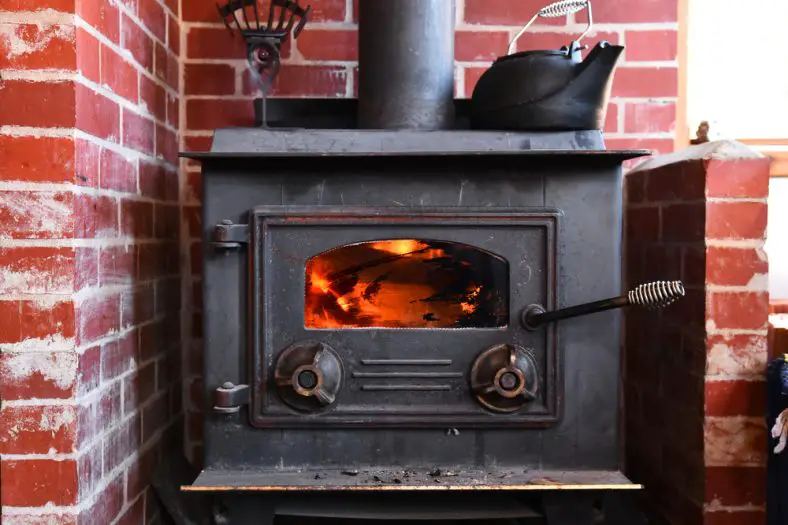
    When it comes to heating your home with a wood burning stove, selecting the right firewood is crucial for efficiency, warmth, and safety.

    The type of firewood you use can significantly impact the heat output, burn time, and even the maintenance of your stove.

    In this comprehensive guide, we will explore the factors to consider when choosing firewood for a wood burning stove, highlight the best types of firewood, provide tips for preparation and efficient burning, and discuss safety precautions.

    So, let’s dive in and discover the secrets to selecting the best firewood for a wood burning stove.

    Understanding the Characteristics of Firewood

    To make an informed choice of the best firewood for a wood burning stove, it’s essential to understand the characteristics of firewood. Each type of wood has its own unique properties that affect its performance in a wood burning stove.

    • Heat Value: The heat value of firewood refers to the amount of heat it can produce when burned. Hardwoods, such as Oak, Maple, and Ash, have higher heat values and provide long-lasting warmth. On the other hand, softwoods like Pine, Cedar, and Fir have lower heat values but ignite quickly.
    • Burn Time: Burn time refers to how long firewood can sustain a fire. Hardwoods generally have longer burn times compared to softwoods. This means you’ll need to add less hardwood to the stove to maintain a consistent heat output.
    • Smoke Production: The amount of smoke produced by firewood can vary. Hardwoods typically produce less smoke than softwoods, making them ideal for those concerned about air quality and minimizing smoke buildup in the chimney.
    • Resin Content: Resin is a sticky substance found in some types of wood, and it can affect stove maintenance. Softwoods tend to have higher resin content, which can lead to the accumulation of creosote in the chimney. Regular cleaning is necessary when burning resinous wood.

    Best Firewood for a Wood Burning Stove

    Not all firewood is created equal. Some types of wood are more suitable for wood burning stoves due to their properties and performance.

    Hardwoods:

    • Oak: Oak is known for its high density, slow burn, and excellent heat output. It provides a steady and long-lasting fire, making it a popular choice for wood burning stoves.
    • Maple: Maple wood is prized for its clean-burning characteristics and its ability to produce a consistent heat output. It is also readily available in many regions.
    • Ash: Ash wood is highly regarded for its low moisture content and easy ignitability. It burns evenly and produces a steady heat, making it a reliable choice for wood burning stoves.
    Best firewood for a wood burning stove - Oak, Maple and Ash are great options!
    Iron pans over wood stove with highlighted flames. Typical wood oven in the countryside of Brazil. Sao Paulo state

    Softwoods:

    • Pine: Pine wood ignites quickly and produces a vibrant flame. It is often used as kindling due to its resin content. However, it’s important to use pine in moderation as its high resin content can lead to creosote buildup.
    • Cedar: Cedar wood is known for its pleasant aroma and easy lighting. It burns relatively quickly and provides a good heat output, but like pine, it should be used in moderation.
    • Fir: Fir wood is readily available and offers a decent heat output. It can be used as a supplementary firewood in combination with hardwoods to prolong burn time.

    Evaluating Firewood Moisture Content

    Moisture content plays a vital role in firewood performance. Burning wet or unseasoned wood can lead to inefficient combustion, increased smoke production, and the formation of excessive creosote.

    Importance of Seasoned Firewood: Seasoned firewood refers to wood that has been properly dried to reduce its moisture content. Burning seasoned firewood ensures cleaner and more efficient combustion, resulting in higher heat output and reduced smoke.

    Identifying and Measuring Moisture Content: Moisture meters are useful tools for determining the moisture content of firewood. Ideally, firewood should have a moisture content below 20% for optimal burning. Anecdote: One way to check if the firewood is properly seasoned is by knocking two pieces together. If they produce a hollow sound, it indicates that the wood is dry and ready to burn.

    Preparing Firewood for a Wood Burning Stove

    Properly preparing firewood enhances its performance and ensures a more enjoyable wood burning experience.

    Cutting and Splitting Techniques: When cutting firewood, it’s important to choose the right size for your wood burning stove. Logs should be cut into manageable lengths and split to expose the inner wood, which aids in drying and ignition. Anecdote: I once struggled to split a large log until I discovered the effectiveness of using a splitting maul—a heavy and powerful tool designed specifically for this purpose.

    Storing Firewood: Storing firewood properly is crucial for maintaining its low moisture content. It should be stacked off the ground, protected from rain and snow, and allowed to dry in a well-ventilated area. Anecdote: I learned the hard way that covering firewood too tightly with a tarp can trap moisture and hinder the drying process.

    Additional Considerations for Wood Burning Stoves

    Regional Availability: The availability of different firewood types may vary depending on your location. It’s important to choose firewood that is readily accessible and sustainable in your area.

    Environmental Impact and Sustainability: Selecting firewood from sustainable sources helps preserve forests and promotes ecological balance. Look for certified firewood suppliers or consider using fallen or reclaimed wood when possible.

    Avoiding Prohibited or Low-Quality Firewood: Some regions have regulations in place to prevent the spread of pests and diseases through firewood. It’s essential to be aware of any restrictions and avoid using prohibited or low-quality firewood.

    Tips for Efficiently Burning Firewood in a Stove

    Burning firewood efficiently maximizes heat output and reduces environmental impact. Follow these tips for optimal burning:

    Building a Proper Fire: Arrange the firewood in a way that allows proper airflow for efficient combustion. Start with kindling and gradually add larger pieces, ensuring enough space between logs for air circulation.

    Managing Airflow and Damper Settings: Adjust the stove’s air vents and damper to regulate the amount of oxygen supplied to the fire. Controlling airflow helps maintain an even burn and prevents excessive smoke.

    Safety Precautions when Using Firewood in a Stove

    While wood burning stoves can provide cozy warmth, safety should always be a top priority. Follow these safety precautions:

    Clearances and Ventilation Requirements: Ensure proper clearance between the stove and surrounding combustible materials. Adequate ventilation is essential to prevent the buildup of harmful gases and maintain indoor air quality.

    Regular Maintenance and Inspections: Schedule regular maintenance and inspections to keep your wood burning stove in safe working condition. Anecdote: I once discovered a small crack in the stove’s door gasket during a routine inspection, which, if left unattended, could have compromised the stove’s efficiency and safety.

    Final Thoughts

    Selecting the best firewood for a wood burning stove is a decision that can significantly impact your heating experience. By considering the heat value, burn time, smoke production, and resin content of different firewood types, you can choose the right wood that meets your specific needs.

    Based on the factors discussed in this article, my recommendation for the best firewood for a wood burning stove would be hardwoods such as

    • Oak
    • Maple
    • Ash.

    These hardwoods offer high heat values, long burn times, and less smoke production compared to softwoods. Additionally, ensure the firewood is properly seasoned with a moisture content below 20% for optimal burning efficiency.

    Remember to evaluate moisture content, prepare firewood properly, and prioritize safety precautions for a comfortable and safe wood burning experience. So, go ahead and enjoy the warmth and ambiance of your wood burning stove with the perfect firewood companion.

  • Heat N Glo Gas Fireplace Maintenance: What you Must Know!

    Heat N Glo Gas Fireplace Maintenance: What you Must Know!


    When the chill of winter encroaches upon your doorstep, the radiant warmth of a gas fireplace offers a comforting respite. However, preserving this indispensable comfort requires consistent and effective Heat n Glo gas fireplace maintenance.

    Ensuring this emblem of homely warmth remains functional and efficient not only supports your comfort but also safeguards your peace of mind.

    Understanding Your Heat & Glo Gas Fireplace

    Peeling back the curtain on your Heat & Glo gas fireplace, you’ll discover a meticulous assembly of integral components.

    From the burning ember bed and ceramic glass to the intelligent ignition systems, each part demands its share of care. By becoming conversant with these elements and their functions, you can approach Heat & Glo gas fireplace maintenance with well-informed confidence.

    heat n glo gas fireplace maintenance - it's important to understand your model

    Demystifying the Heat n Glo Gas Fireplace Maintenance Schedule

    Heat n Glo gas fireplace maintenance isn’t merely a winter task. Indeed, proper maintenance is a year-round commitment. Regular inspections and routine cleaning are necessary to ensure the optimum performance of your hearth. As summer blossoms into warmth, it’s an opportune time to check the venting system, ensuring it’s ready when winter makes its return.

    Step-by-step Guide to Basic Heat n Glo Gas Fireplace Maintenance

    Engaging in regular maintenance of your Heat & Glo gas fireplace is integral to its optimal performance and longevity. Here is a detailed, step-by-step guide to basic Heat & Glo gas fireplace maintenance tasks:

    • Cleaning Your Fireplace Start by turning off the gas valve to ensure safety during cleaning. Remove any loose debris from the fireplace and vacuum the area gently. A soft, dry cloth can be used to wipe down the exterior and the ceramic glass front. Avoid using harsh or abrasive cleaners, as these can damage the glass and other components of the fireplace. Instead, opt for products specifically designed for gas fireplaces, which can effectively clean without causing harm.
    • Inspecting the Venting System To maintain excellent indoor air quality, a thorough inspection of the venting system is necessary. With the gas valve securely closed, check the vent for blockages such as bird nests, leaves, or accumulated debris. It’s also crucial to inspect the vent cap on the outside of your home to ensure it is intact and functioning correctly. If you notice rust or damage to the venting system, professional help may be required for replacement or repair.
    • Checking the Pilot Light and Burner Reliable ignition is crucial for your Heat & Glo gas fireplace’s functionality. Carefully inspect the pilot light to ensure it burns a steady blue flame. If the flame is yellow or orange, this could indicate a problem with the gas mixture or venting. Similarly, the burner should light quickly and evenly. If it doesn’t, there might be clogged ports that need cleaning or other issues requiring professional attention. Always remember to turn off the gas valve before conducting any checks or maintenance on the pilot light and burner.
    • Glass Door Maintenance The glass door of your Heat & Glo gas fireplace is not just for viewing the mesmerizing flames; it’s also an important safety feature. Ensure the door is free from cracks or damages, and the latch closes securely. Regularly clean the glass door using an approved gas fireplace glass cleaner to maintain clarity and remove any soot or carbon buildup.
    • Checking Seals and Gaskets The seals and gaskets on the venting system play a critical role in preventing gas leaks. Regularly inspect these components for signs of wear or damage. If a seal or gasket looks compromised, it should be replaced immediately.
    • Overall Visual Inspection Finally, conduct an overall visual inspection of your fireplace. Look for any visible signs of wear or damage, paying particular attention to the gas log, burner, and control mechanisms. If anything seems amiss, it’s best to contact a professional.
    • Embracing these maintenance tasks helps maintain the beauty, safety, and functionality of your Heat & Glo gas fireplace, allowing you to bask in its warm glow for many more winters to come.

    Troubleshooting Common Heat n Glo Gas Fireplace Issues

    In the realm of Heat n Glo gas fireplace maintenance, detecting common issues early can prevent minor hiccups from escalating into severe problems. Here is a list of things to look out for:

    • Any unusual noises
    • Fluctuating flame patterns
    • an unresponsive ignition system – If you’re having trouble lighting your fireplace, it could be due to several reasons such as a faulty ignition switch, a clogged pilot orifice, or issues with the thermocouple or thermopile.
    • Unpleasant Odors – While it’s common to notice a faint smell when you first start your fireplace for the season, persistent unpleasant odors might indicate a problem. It could signal incomplete combustion due to issues with the air-to-gas ratio, or a potential gas leak, which requires immediate attention.
    • Soot Buildup – Excessive soot buildup can be a sign of incomplete combustion, often due to problems with the fireplace’s air-to-gas ratio. Soot can also stain the glass door of your fireplace, obscuring your view of the flames.
    • Uneven Heating – If your fireplace isn’t heating your room evenly or sufficiently, there could be an issue with the fan or blower. It might not be circulating air properly, or the fireplace’s output might not be high enough for the size of the room.
    • Damaged or Worn Out Logs Artificial gas logs can wear out over time, impacting the aesthetic appeal and potentially the performance of your fireplace. Inspect the logs regularly for signs of wear or damage.
    • Unexpected Shutdowns If your fireplace shuts down unexpectedly or refuses to stay lit, this could be due to a problem with the fireplace’s thermocouple or a venting issue. An overheated fireplace might also automatically shut off as a safety feature.

    Armed with a fundamental understanding of these issues, you can implement timely remedies and maintain the consistent operation of your fireplace.

    When to Call in the Professionals

    While a hands-on approach to Heat n Glo gas fireplace maintenance is commendable, there are times when the expertise of a professional becomes invaluable.

    Complex tasks such as inspecting gas lines or adjusting burner controls demand professional expertise. Regular professional inspections can pinpoint issues that may elude even the most vigilant homeowner, ensuring the enduring safety and performance of your fireplace.

    Choosing the Right Maintenance Tools and Products

    Possessing the right arsenal of maintenance tools enhances the efficacy of your Heat n Glo gas fireplace maintenance routine.

    While a soft cloth and vacuum cleaner can handle basic cleaning, specialized tools like a creosote brush can enhance your efforts. Pairing these tools with safe and effective cleaning products further bolsters the condition and appearance of your fireplace.

    Finding Qualified Heat & Glo Fireplace Maintenance Professionals

    The path to finding a trustworthy professional for Heat & Glo gas fireplace maintenance can be filled with uncertainty.

    Consider factors such as

    • certifications
    • experience
    • customer reviews,

    in your decision-making process. A qualified professional can ensure your fireplace receives comprehensive maintenance, preserving its charm and efficiency for countless winters to come.

    If you’re searching for ‘heat n glo service near me’ or even from further afield here is a short list of some technicans who I’m certain can pont you in the right direction:

    Heat n Glo Service Technicians:

    Heat and Glo Dealers:

    Heat n Glo Fireplace Manual and FAQs:

    Frequently Asked Questions About Heat & Glo Gas Fireplace Maintenance

    In the pursuit of comprehensive Heat & Glo gas fireplace maintenance, questions will inevitably arise. Whether you’re curious about the correct cleaning frequency or how to handle a stubborn pilot light, your queries deserve attention.

    Is there any maintenance required for gas fireplace?

    Yes, there is maintenance required for a gas fireplace, including Heat & Glo gas fireplaces. Regular maintenance tasks include cleaning the glass door, checking the vents for any blockages, inspecting the pilot light and burner, and examining the seals and gaskets for wear and tear. Regular professional inspections and servicing are also recommended for ensuring safety and optimal performance.

    How do you clean a heat & Glo gas fireplace?

    Cleaning a Heat & Glo gas fireplace involves several steps. Begin by turning off the gas valve for safety. Next, remove loose debris and gently vacuum the interior of the fireplace. Use a soft, dry cloth to wipe down the exterior and the ceramic glass front. Always use cleaning products specifically designed for gas fireplaces to avoid damaging the glass or other components. Finally, check for and remove any obstructions in the venting system.

    Why does my heat and Glo fireplace keep going out?

    A Heat & Glo fireplace might keep going out for several reasons. If the pilot light goes out, it could be due to a problem with the thermocouple, which senses the pilot flame and controls the gas flow. If the fireplace shuts down during operation, it might be overheating, which triggers an automatic safety shut-off. Issues with the venting system, such as blockages or damage, can also cause the fireplace to go out. If the problem persists, it’s recommended to seek professional help.

    Why won’t my pilot light stay lit on my heat and Glo?

    If the pilot light on your Heat & Glo fireplace won’t stay lit, there could be several potential causes. The pilot orifice might be clogged, preventing the flow of gas. There might be an issue with the thermocouple, which detects the flame and controls the gas supply. If the thermocouple is damaged or not correctly positioned, it may not sense the flame, causing the gas supply to be cut off and the pilot light to go out. In some cases, there might be a problem with the gas supply itself. It’s best to have a professional evaluate and fix these issues.

    Final Thoughts

    Proper Heat & Glo gas fireplace maintenance forms the cornerstone of a warm, inviting home. By taking an active role in maintaining your

    fireplace, you can enjoy its radiant warmth and enchanting ambiance for many winters to come. As the saying goes, “A little maintenance goes a long way,” and indeed, regular maintenance is the secret to a long-lasting, reliable Heat & Glo gas fireplace.